
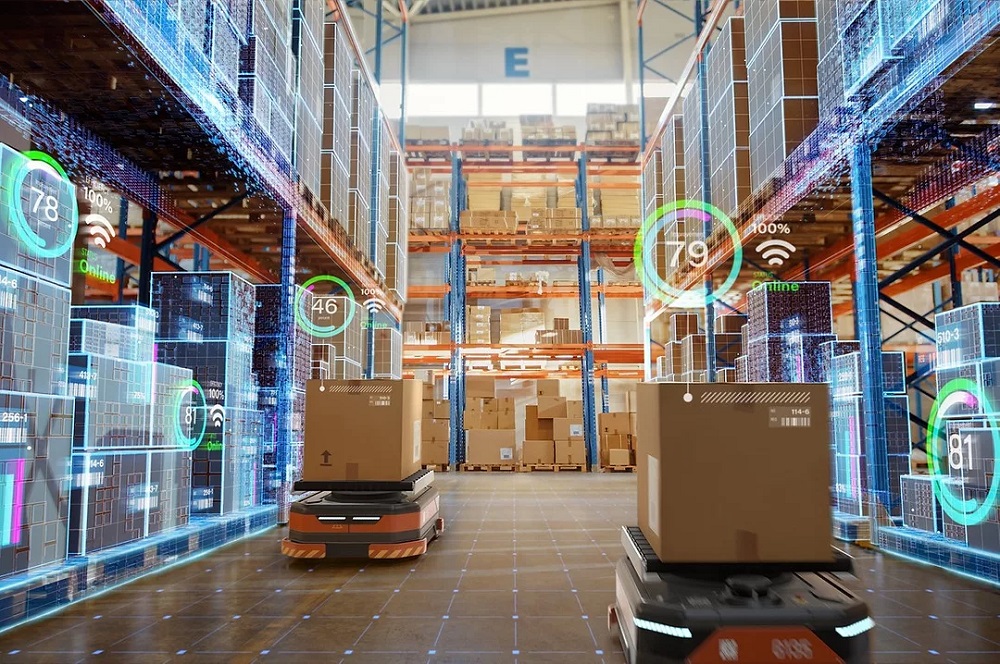
The global supply chain is undergoing a profound structural shift driven by persistent labor shortages, surging e-commerce volumes, and the necessity for rapid order fulfillment. Historically, warehouses functioned primarily as static storage facilities where manual labor dictated operational speed. Today, the integration of artificial intelligence and advanced robotics is transforming these spaces into highly intelligent, data-driven logistical ecosystems.
As organizations strive to optimize every square foot of vertical and horizontal storage space, legacy systems are proving inadequate. The future of warehousing no longer relies on simply adding more personnel to handle peak season demand. Instead, the focus has pivoted toward building interconnected environments where predictive software orchestration and physical automation work in tandem to eliminate operational bottlenecks.
The Rise of Autonomous Mobile Robots and Flexible Robotics
For decades, warehouse automation was defined by heavy, rigid infrastructure such as fixed conveyor belts and large automated guided vehicles that traveled along strict magnetic tape paths. While effective for repetitive, unchanging workflows, these traditional systems require massive capital expenditure and offer little flexibility when layout reconfigurations are needed.
Dynamic Navigation via Intelligent Agents
Modern facilities are rapidly deploying autonomous mobile robots to handle internal product transport. Unlike their predecessors, these mobile units use advanced onboard sensors, cameras, and machine learning algorithms to map their surroundings in real time. They can dynamically navigate around unexpected obstacles, choose the most efficient travel paths, and operate safely alongside human workers without requiring physical guide rails.
Scalability Through Robotics as a Service
The adoption of mobile robotics has been further accelerated by modular financing structures. Rather than buying an entire fleet of robots upfront, warehouse operators can leverage the robotics as a service model. This subscription framework allows logistics managers to dynamically scale their robotic workforce up or down based on seasonal throughput requirements, democratizing access to automation for mid-sized enterprises that lack deep capital reserves.
Revolutionizing Inbound Logistics and Smart Receiving
While outbound fulfillment processes like picking and packing historically received the majority of automation investments, inbound operations are now seeing significant technological upgrades. The receiving dock has traditionally been a major bottleneck where manual inspection, barcode scanning, and manual sorting slow down product availability.
Automated De-Palletizing and Quality Inspection
The next generation of inbound logistics relies on automated de-palletizing systems equipped with sophisticated computer vision. Utilizing high-resolution cameras and neural processing units operating at the edge, these robotic arms can identify, grasp, and sort mixed-size cartons from irregularly stacked pallets.
Simultaneously, artificial intelligence vision models instantly scan incoming packages for external damage, verify shipping label accuracy, and update the inventory ledger in milliseconds. This transition to smart receiving dramatically minimizes truck dwelling time at the dock and ensures that items are cleared for storage almost immediately upon arrival.
Maximizing Density with High-Capacity Storage Systems
Real estate constraints near urban centers have made maximizing existing facility volume a top operational priority. Traditional static racking systems require wide aisles to accommodate manual forklifts, leaving a massive percentage of a building’s cubic footprint entirely unutilized.
Automated Storage and Retrieval Systems
To counteract space limitations, enterprises are implementing automated storage and retrieval systems. A prominent example is cube-based storage engineering, where goods are packed densely into vertical bins beneath a structural grid. Autonomous robots traverse the top of this grid, retrieving specific bins and delivering them directly to human picking stations at the perimeter.
By eliminating the need for traditional forklift aisles and maximizing vertical clearance, these high-density systems allow facilities to store up to four times more inventory within the exact same physical footprint. This structural efficiency allows companies to establish micro-fulfillment centers directly within dense urban zones, bringing inventory closer to the end consumer for rapid last-mile delivery.
Artificial Intelligence as the Operational Orchestration Layer
The physical hardware of a modern warehouse is only as effective as the software guiding it. Traditional warehouse management systems acted primarily as digital ledger books, recording where inventory was placed after the fact. Artificial intelligence has evolved these platforms into predictive orchestration engines that actively direct daily facility operations.
Predictive Inventory Slotting and Demand Forecasting
Machine learning algorithms analyze massive arrays of disparate data, including historical order volumes, seasonal sales velocity, vendor lead times, and external market trends. By synthesizing this information, the platform forecasts regional product demand with pinpoint precision.
The software then automates warehouse slotting configurations, moving high-velocity items to accessible forward-picking locations near the shipping bays while shifting slower-moving inventory to deeper storage zones. This proactive adjustment drastically reduces picker travel distances and eliminates localized traffic congestion on the warehouse floor.
Proactive Maintenance Workflows
Equipment downtime can paralyze a high-throughput distribution center, costing businesses thousands of dollars per hour. Artificial intelligence mitigates this risk through predictive maintenance protocols. By continuously tracking vibration, temperature, and performance metrics from Internet of Things sensors embedded in conveyors, cranes, and robotic gearboxes, the software identifies subtle signs of mechanical wear long before a failure occurs. Maintenance teams receive automated alerts to service the machinery during scheduled off-hours, ensuring uninterrupted fulfillment cycles.
The Coexistence of a Hybrid Workforce
The narrative surrounding warehouse automation often centers on the complete replacement of human labor. However, the operational reality points toward a collaborative, hybrid workforce where technology augments human capabilities rather than erasing them.
Ergonomics and Strategic Task Allocation
Automation excels at handling repetitive, physically grueling tasks such as walking miles across vast concrete floors, lifting heavy cases, and performing tedious sorting exercises. By delegating these strenuous duties to machines, companies significantly reduce workplace injuries, lower physical fatigue, and boost overall job satisfaction for their staff.
Human workers are systematically upskilled to fill higher-value operational roles. Employees shift from manual labor to supervising robotic fleets, managing system exceptions, optimizing software workflows, and handling complex problem-solving scenarios that require critical thinking. This collaborative synergy between human intuition and machine precision yields unprecedented accuracy rates and a resilient operational structure.
Frequently Asked Questions
What is the difference between an automated guided vehicle and an autonomous mobile robot?
An automated guided vehicle relies on fixed, pre-programmed infrastructure such as magnetic strips, wires, or tape embedded in the floor to move along a specific path. If an obstacle blocks its track, the vehicle stops and waits for manual intervention. An autonomous mobile robot uses onboard cameras, lidar, and mapping software to navigate dynamically, allowing it to calculate alternative routes around obstacles without stopping operations.
How does warehouse automation contribute to corporate sustainability initiatives?
Automated systems optimize energy consumption through several mechanisms. High-density storage networks reduce the physical footprint required for inventory, leading to lower heating, cooling, and lighting demands. Furthermore, automated cranes and conveyors utilize regenerative braking systems that capture kinetic energy and feed it back into the facility’s power grid, minimizing overall electricity utilization.
What are the primary cybersecurity risks associated with an automated warehouse?
As warehouses transition into interconnected digital ecosystems relying on Internet of Things sensors, cloud-based software, and networked robotics, they become potential targets for cyber threats. Vulnerabilities can include unauthorized data access, ransomware attacks that freeze fulfillment software, or the manipulation of operational configurations. Protecting these environments requires robust network segmentation, regular firmware updates, and strict access control protocols.
What is edge computing and why is it important for warehouse vision systems?
Edge computing refers to processing data locally on devices positioned directly at the source, such as a camera or smart scanner, rather than sending that raw information to a centralized cloud server for analysis. This localized processing allows vision models to perform complex barcode verification, package damage detection, and product classification in a matter of milliseconds, preventing latency delays in fast-moving conveyor lines.
Can old or existing warehouses be retrofitted with modern automation technologies?
Yes, many contemporary automation solutions are specifically designed for brownfield installations, which are existing facilities with non-standard layouts. Mobile robotics and modular shuttle systems are highly adaptable and can be configured to operate around irregular architectural elements like support columns, low ceilings, or uneven floors, allowing companies to upgrade legacy structures without constructing a new building.
How does artificial intelligence minimize order picking errors?
Artificial intelligence minimizes errors by validating every step of the fulfillment process through connected technologies. For example, computer vision cameras monitor picking bins to verify that the correct item was pulled, while weight-sensing modules at packing stations compare the final box weight against the predicted theoretical weight of the items ordered. Any discrepancy triggers an immediate system alert for manual review before the package is sealed and shipped.
