
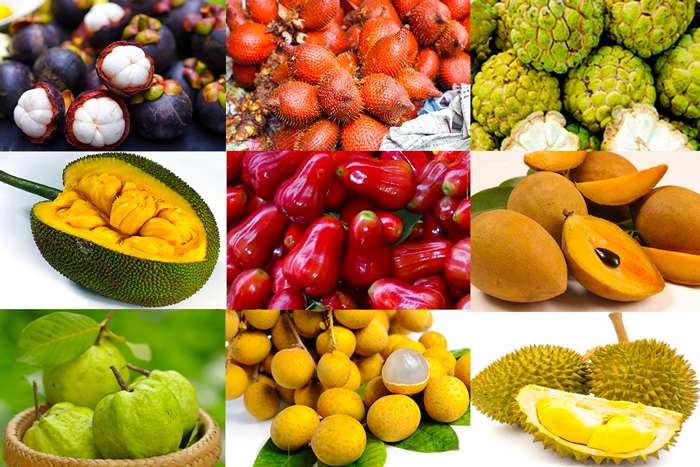
Expanding a fruit range sounds simple. Add a few new varieties, offer more choice, and attract new customers. In practice, it is rarely that straightforward. Buyers working with a Thai exotic fruits supplier often want to increase variety while keeping their supply chain stable. The goal is growth without disruption.
Exotic fruits can help retailers stand out. They add color to displays and create seasonal interest. But every new fruit introduced into a program comes with its own harvesting cycle, handling needs, and transit conditions. If those factors are not considered carefully, what starts as a commercial opportunity can quickly turn into delays, inconsistent shipments, or unnecessary costs.
The key is planning expansion around existing systems instead of building separate processes for every new product. When growth fits into the structure already in place, it becomes manageable.
Start With Compatibility
Not all fruits move through the supply chain in the same way. Some require similar storage temperatures and packaging formats, which makes them easy to ship together. Others need different handling conditions, which can complicate container loading and transit planning.
Before adding a new variety, it helps to ask how well it fits with current shipments. Can it travel under the same temperature settings? Does it require special ventilation? Does it have a shorter shelf life that changes the delivery schedule? These practical questions matter more than marketing potential.
When compatibility is considered early, expansion feels like a natural extension rather than an operational challenge.
Think About Volume and Timing
Exotic fruits are often seasonal. Availability may peak during certain months and drop sharply at other times. Buyers need clear information about harvest windows and expected supply levels. Without realistic forecasts, it becomes difficult to plan promotions or manage inventory effectively.
Gradual growth usually works better than rapid expansion. Introducing one or two new varieties and monitoring performance allows both supplier and buyer to understand demand before increasing volume. This reduces the risk of overstocking or supply gaps.
Working with a supplier that has access to multiple growing areas can also help stabilize availability. When one region slows down, another may still be producing, which supports continuity.
Keep Standards Consistent
As product lines grow, maintaining consistent grading and packing standards becomes even more important. Buyers expect uniform sizing, clear labeling, and secure packaging across the entire range, not just the core products.
Quality checks should remain the same regardless of whether the fruit is new or established. When standards are applied consistently, expansion does not create uncertainty. Instead, it strengthens the overall offering.
Growing an exotic fruit portfolio should feel controlled and predictable. When compatibility, timing, and quality standards are considered together, adding variety does not need to complicate supply. It simply becomes another structured step in building a broader and more competitive product range.
